Horizons
What runs alongside the core program, and where it goes next: the Ocean Genome Atlas Project, gastropod circuits small enough to test the hypothesis neuron by neuron, and public science and outreach.
Ocean Genome Atlas Project
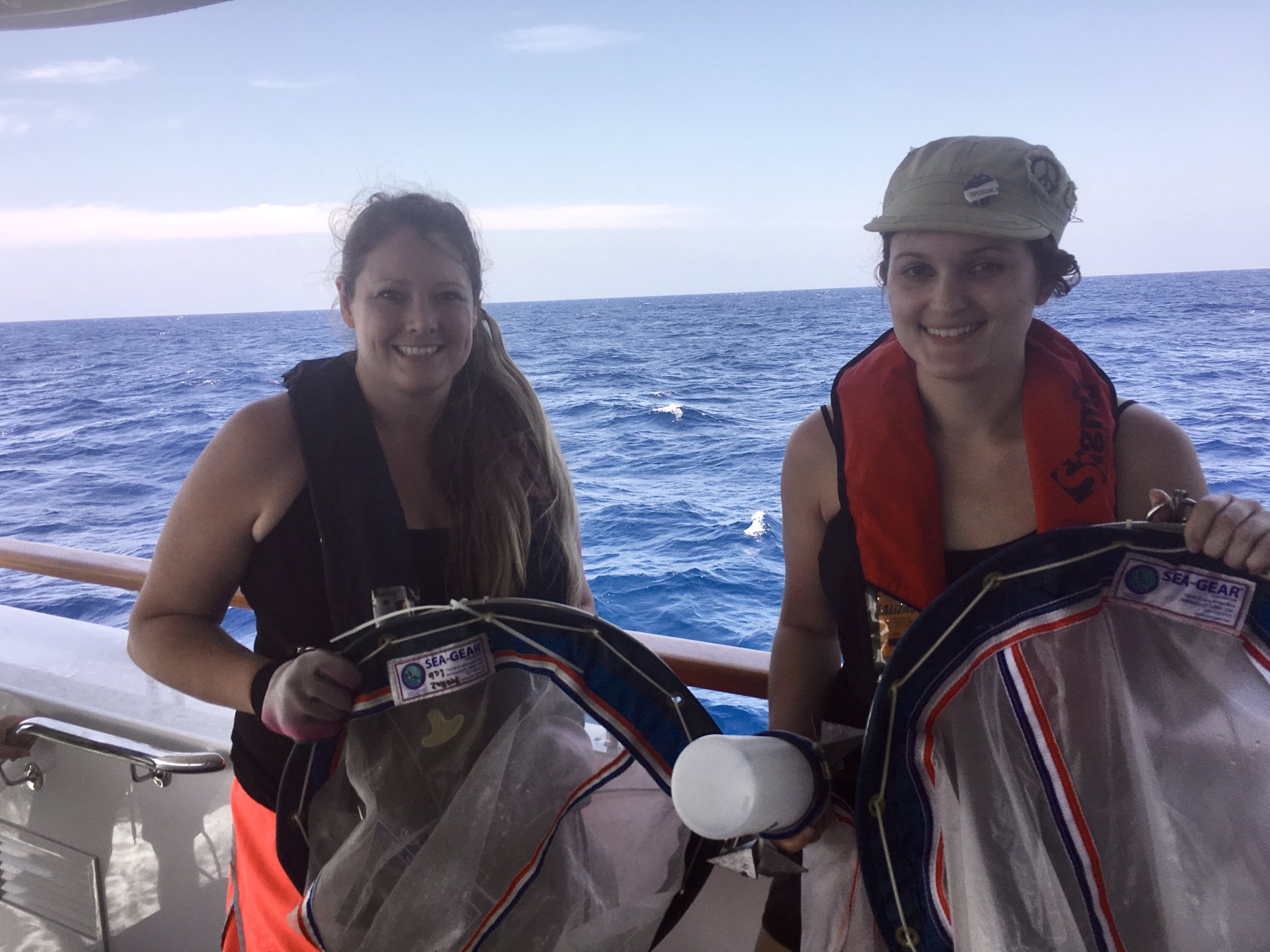
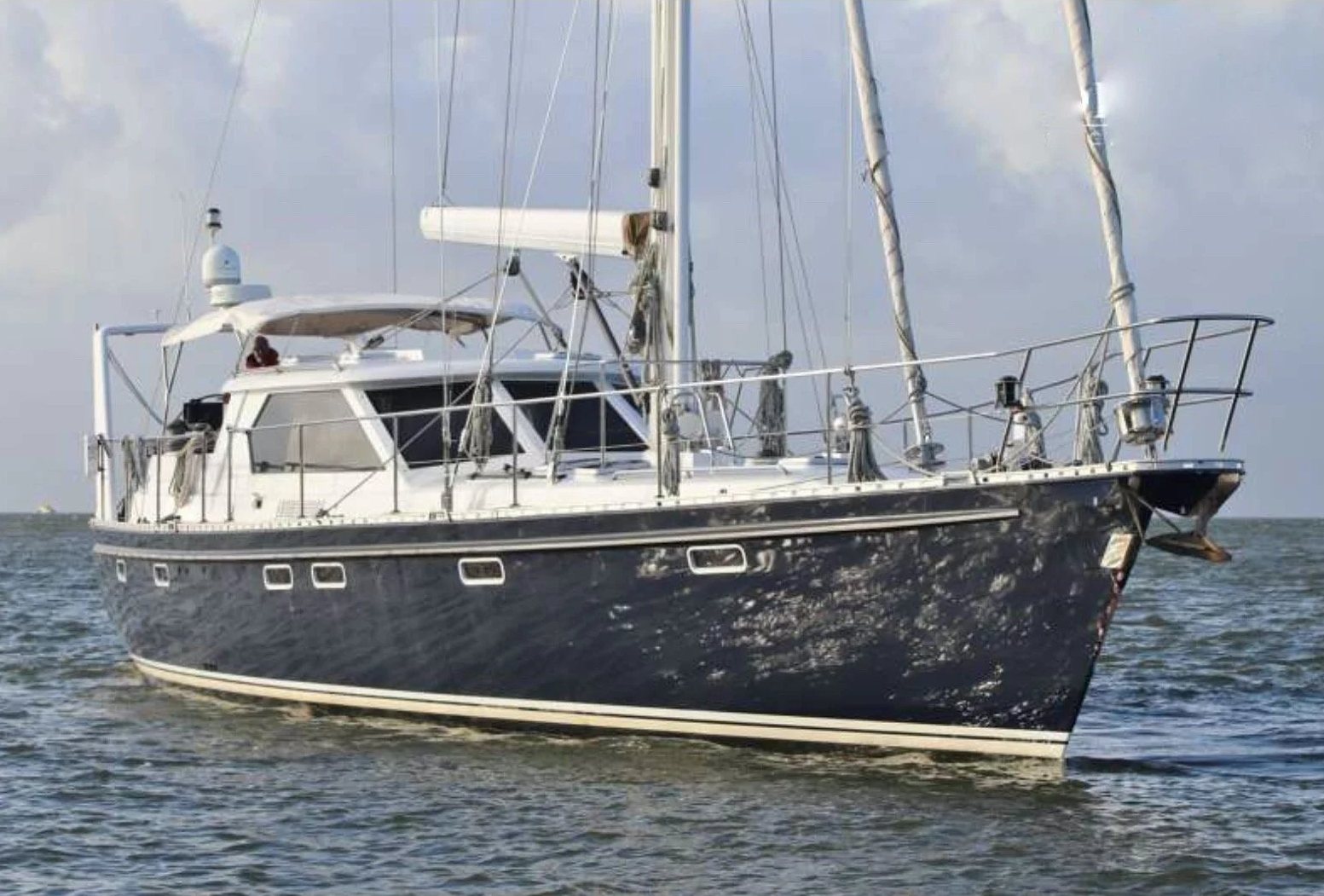
Since 2020 I have been Director of Scientific Operations for the Ocean Genome Atlas Project, a UN Decade of Ocean Science-designated nonprofit whose goal is to collect, classify, sequence, and map genomic information for organisms representing at least 80% of extant marine species, at single-cell resolution. The project runs mobile laboratories aboard a sailing research vessel, which samples at a small fraction of the daily cost of a conventional research ship. I oversee scientific strategy and operations: field-based molecular surveys, protocols for the mobile labs, coordination across international taxonomic teams, grant development, and institutional partnerships.
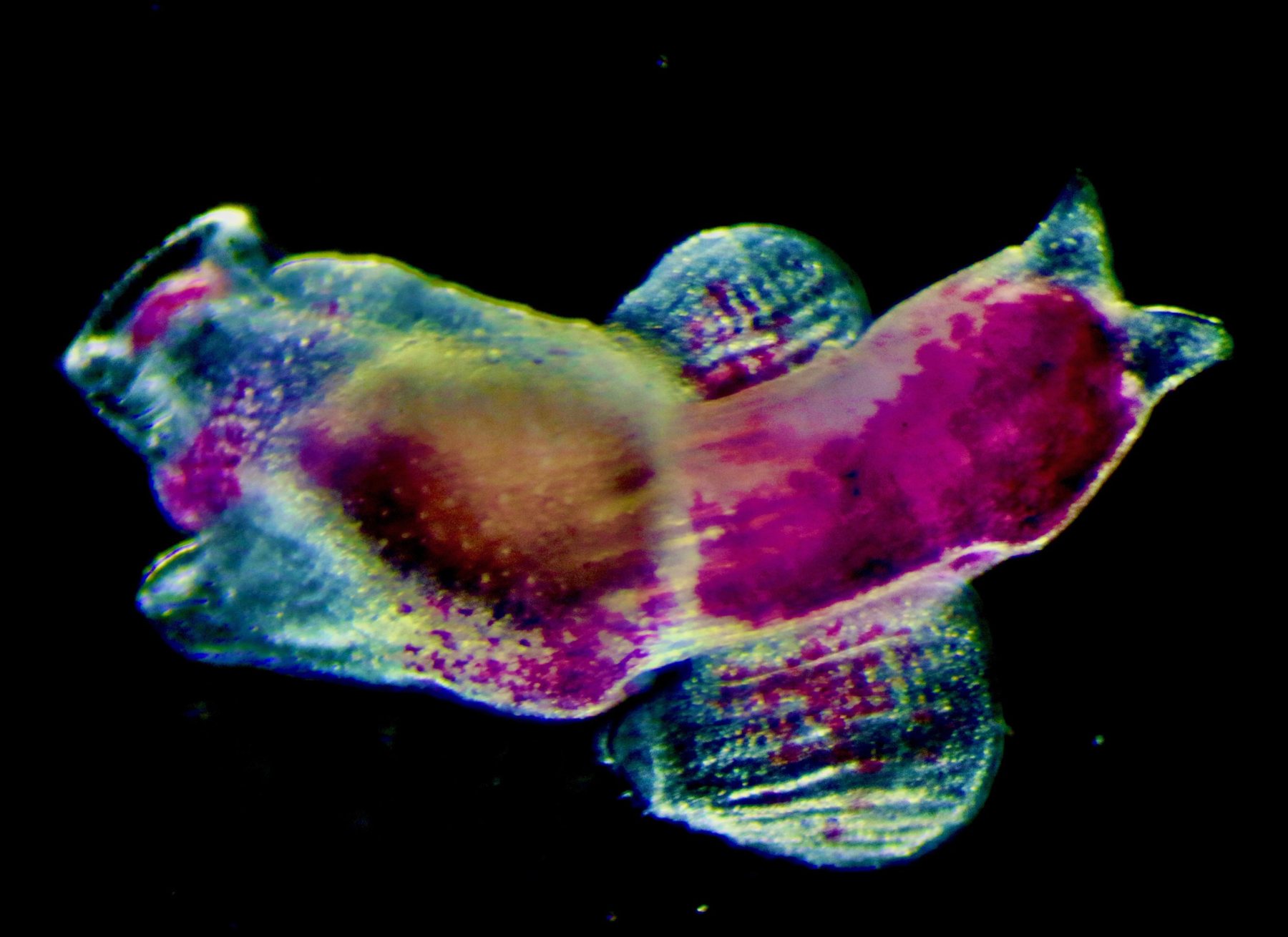
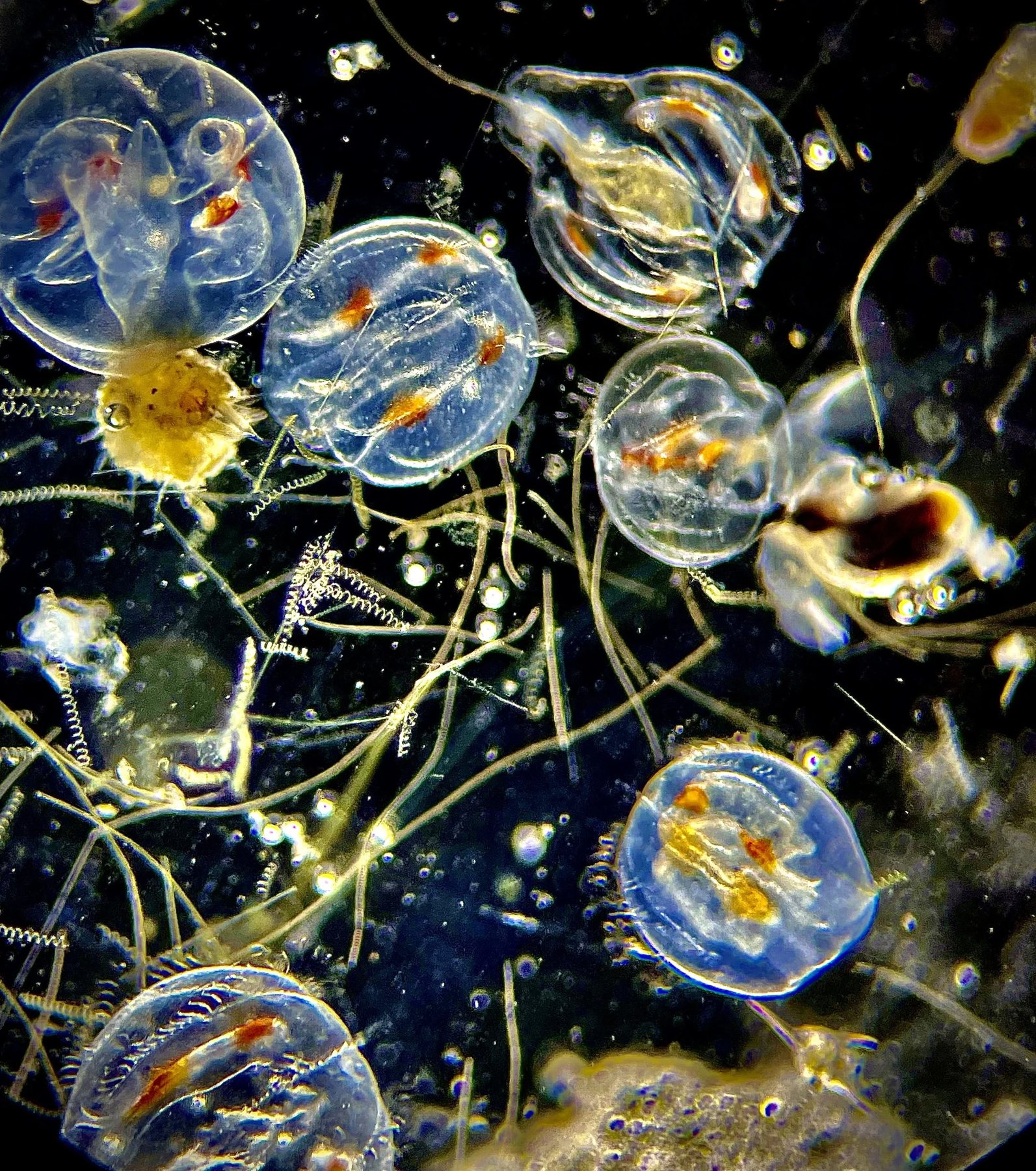
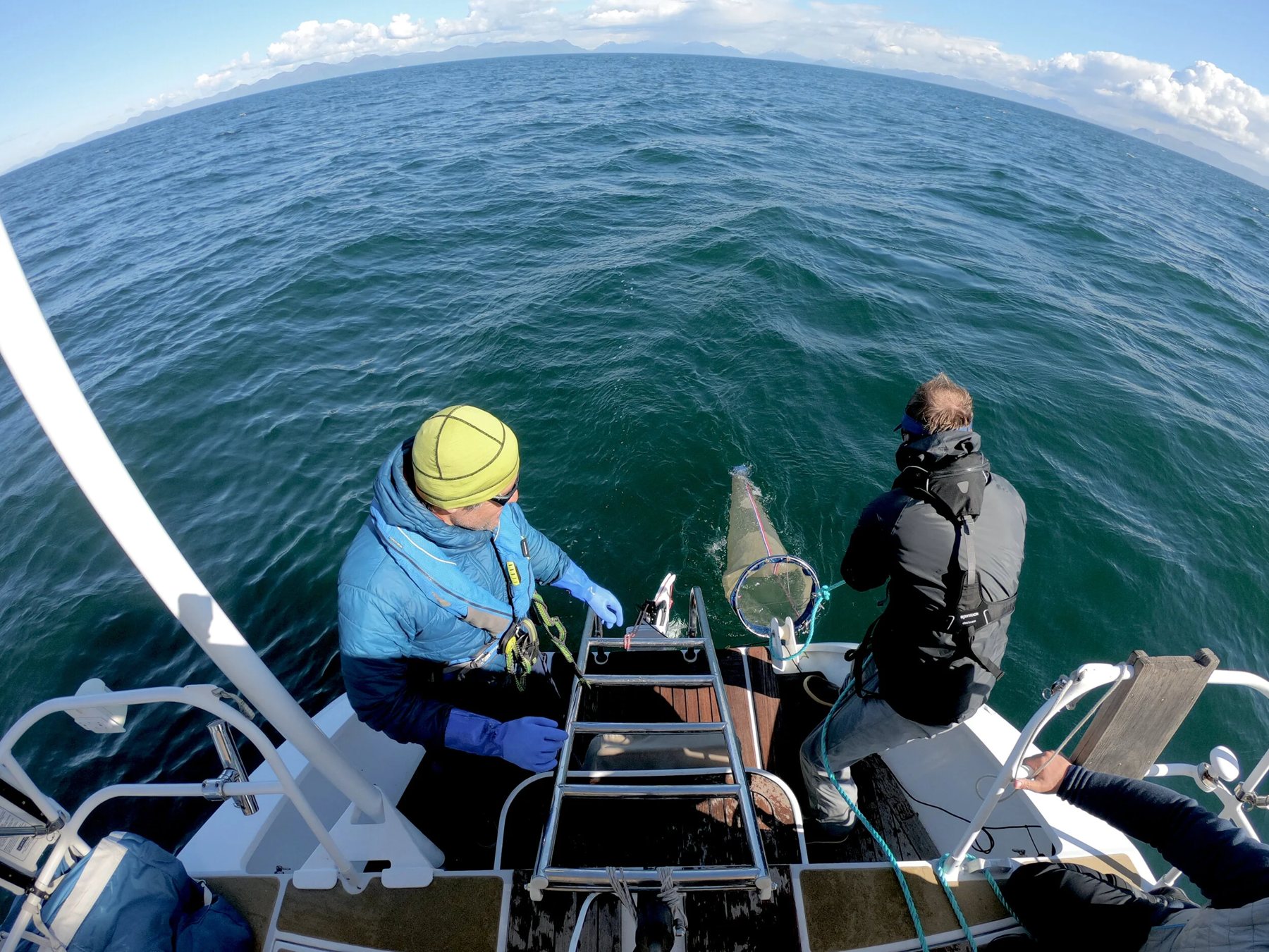
For a lab, the project is a route into biodiversity genomics that no single campus can offer. Expedition science also raises questions I can teach directly: specimen provenance, benefit-sharing obligations for genetic resources collected in other countries' waters, and authorship.
The project also does extensive community outreach. Students and community members come aboard to sample with us, and the vessel and its mobile lab visit ports as a floating classroom.
Smaller circuits: the same hypothesis in four-neuron networks
If redundancy is what protects a circuit, then a circuit with almost none should fail abruptly, and the failure should be traceable to a specific neuron. Gastropod molluscs make that test possible with the same stressors, readouts, and rig, because their neurons are individually identifiable from animal to animal and can be recorded one at a time. They also put the question on a phylogeny: molluscan nervous systems range from a few dozen identified neurons to the half-billion of an octopus, so the same stress applied across the tree asks how resilience evolved as complexity did. I recorded from identified Aplysia neurons and mapped their molecular identities during my Ph.D., so the methods carry over.
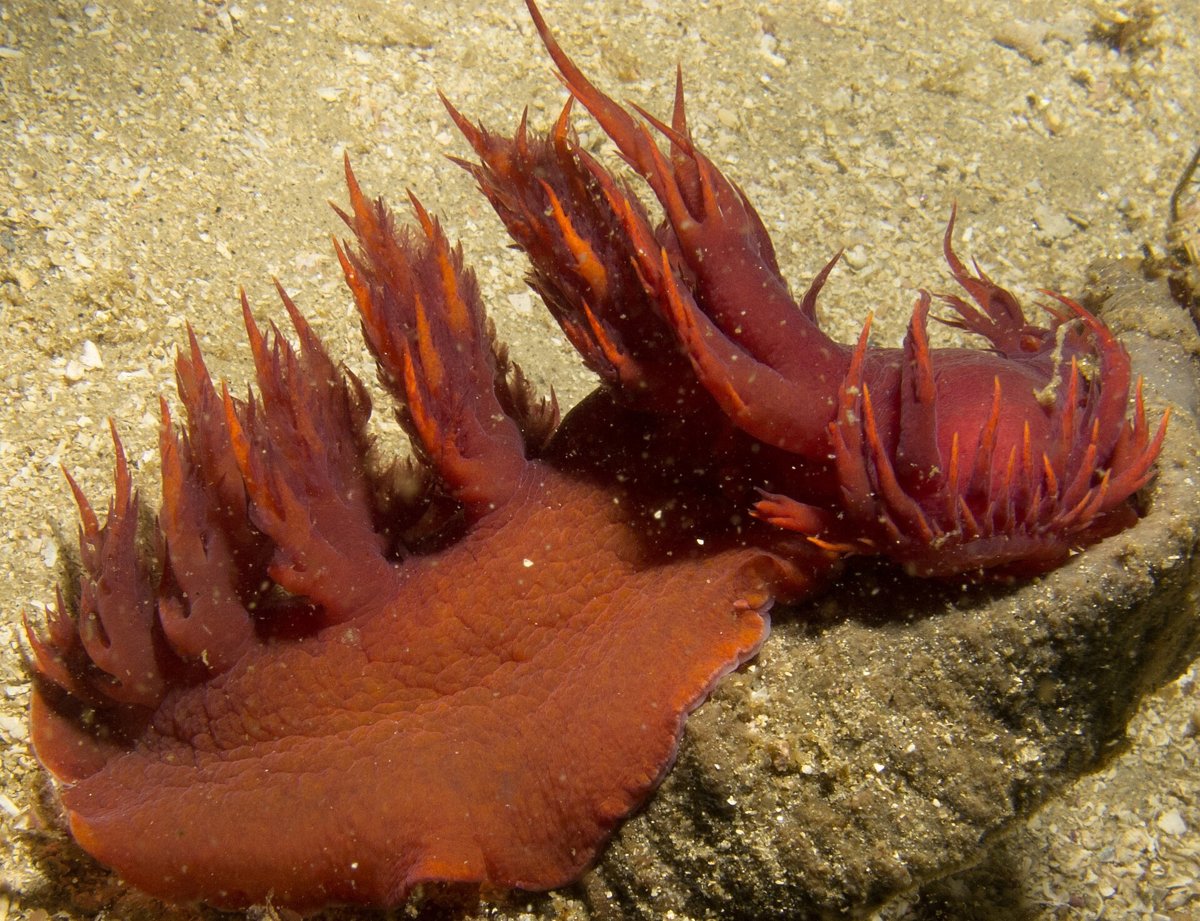
Dendronotus iris
Swims on a half-center oscillator of two interneuron pairs, four neurons in total. Under thermal or CO₂ load, failure can be attributed to a single identified cell and separated into loss of intrinsic excitability versus loss of synaptic transmission.

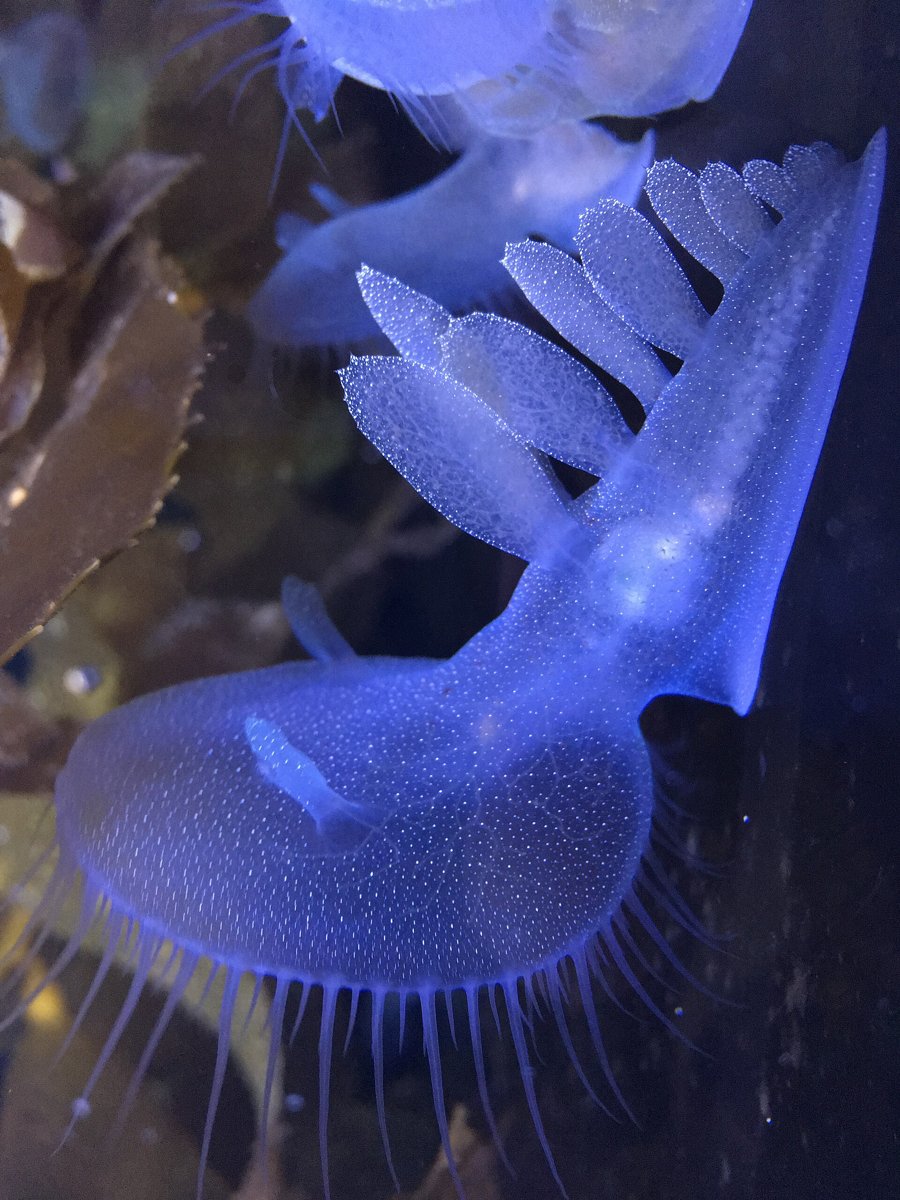
Melibe leonina
Generates homologous left-right flexion swimming from an eight-neuron circuit built from the same neuron families as Dendronotus, wired differently. Comparing the two asks whether adding neurons adds resilience, the same hypothesis at its smallest scale.

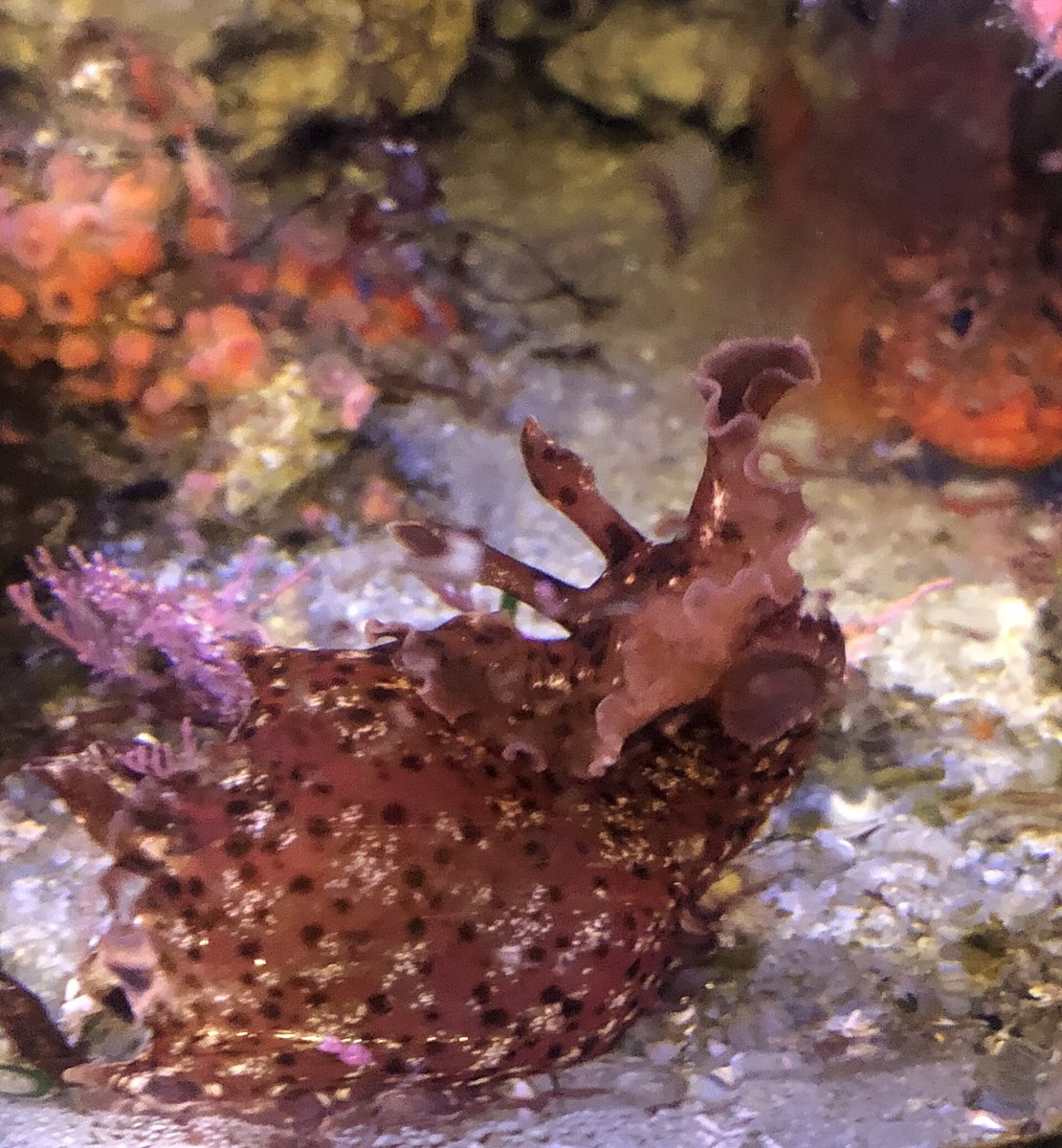
Aplysia californica
The classical preparation for cellular learning and memory, and the gastropod I have worked in. Its large identified neurons make it possible to match one cell's transcriptome to its physiology under stress.

Lymnaea stagnalis
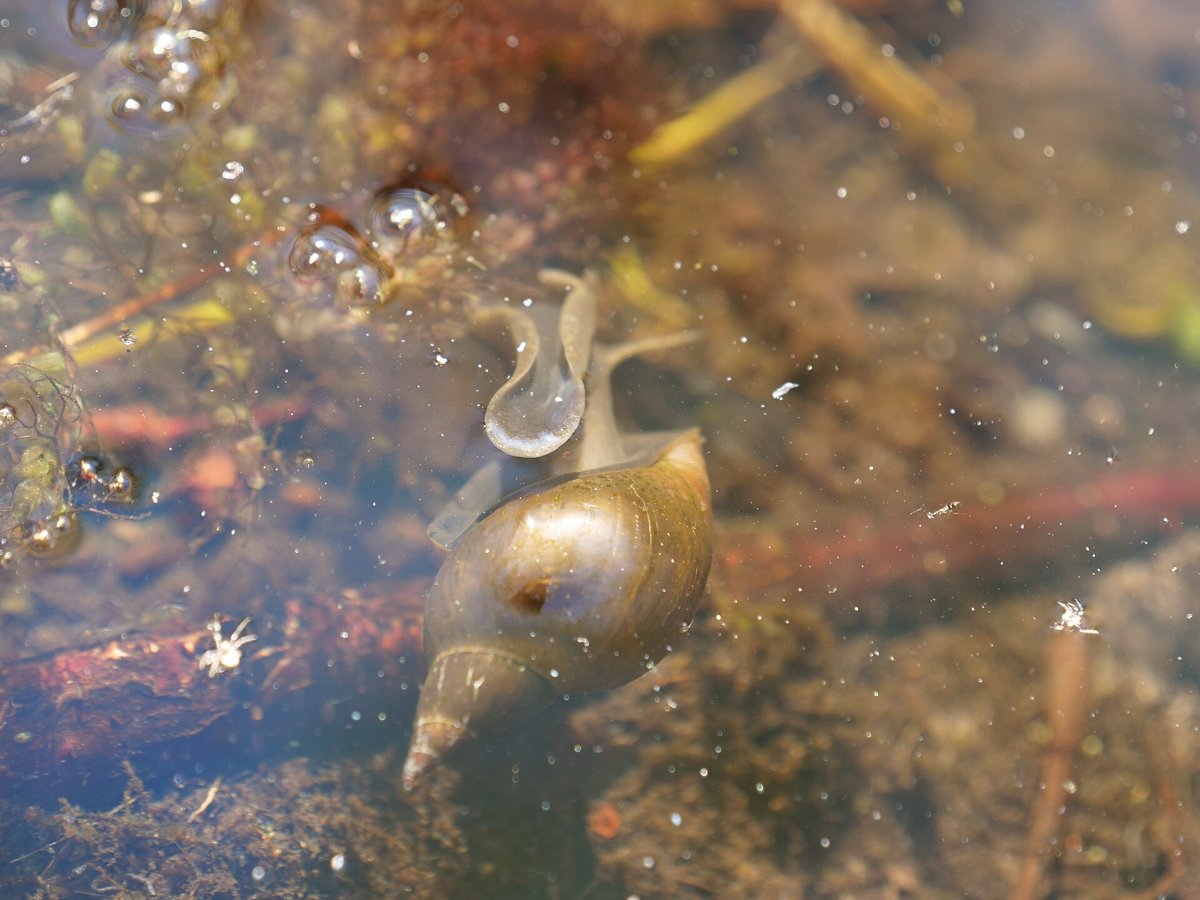
A three-neuron respiratory central pattern generator, a deep literature on identified neurons and learning, and easy bench-top culture. Ponds swing in temperature and chemistry more than any coast, so it extends the same question to fresh water, and it is inexpensive enough for a teaching lab.

The crossed design also extends to salinity, which shifts ion transport and synaptic reliability through transporter families the program already tracks; to heritability of resilience through family-structured crosses in E. berryi; and to chromatophore motor circuits, where camouflage precision under warming and acidification is a readout of circuit health specific to cephalopods.
Public science and outreach
Nervous systems are wonderful material for public engagement. I was selected for the Kavli Foundation's Science and Society Sparks Program in public engagement (November to December 2026). During my Ph.D. I developed and taught K-12 and adult-learner outreach curricula in biodiversity, genetics, and marine science across Florida, in a University of Florida collaboration with SeaKeepers, and I have spoken on cephalopod brain evolution at the Monterey Bay Aquarium and at TONMOCON, the cephalopod enthusiasts' conference. A unit on how nervous systems handle environmental change, developed with local school students taking part, is the outreach project I plan to build in my first two years on a faculty.